What I'm Doing Differently This Time Around
A maternity reflection from birthFUND’s Head of Operations, Erin Coles

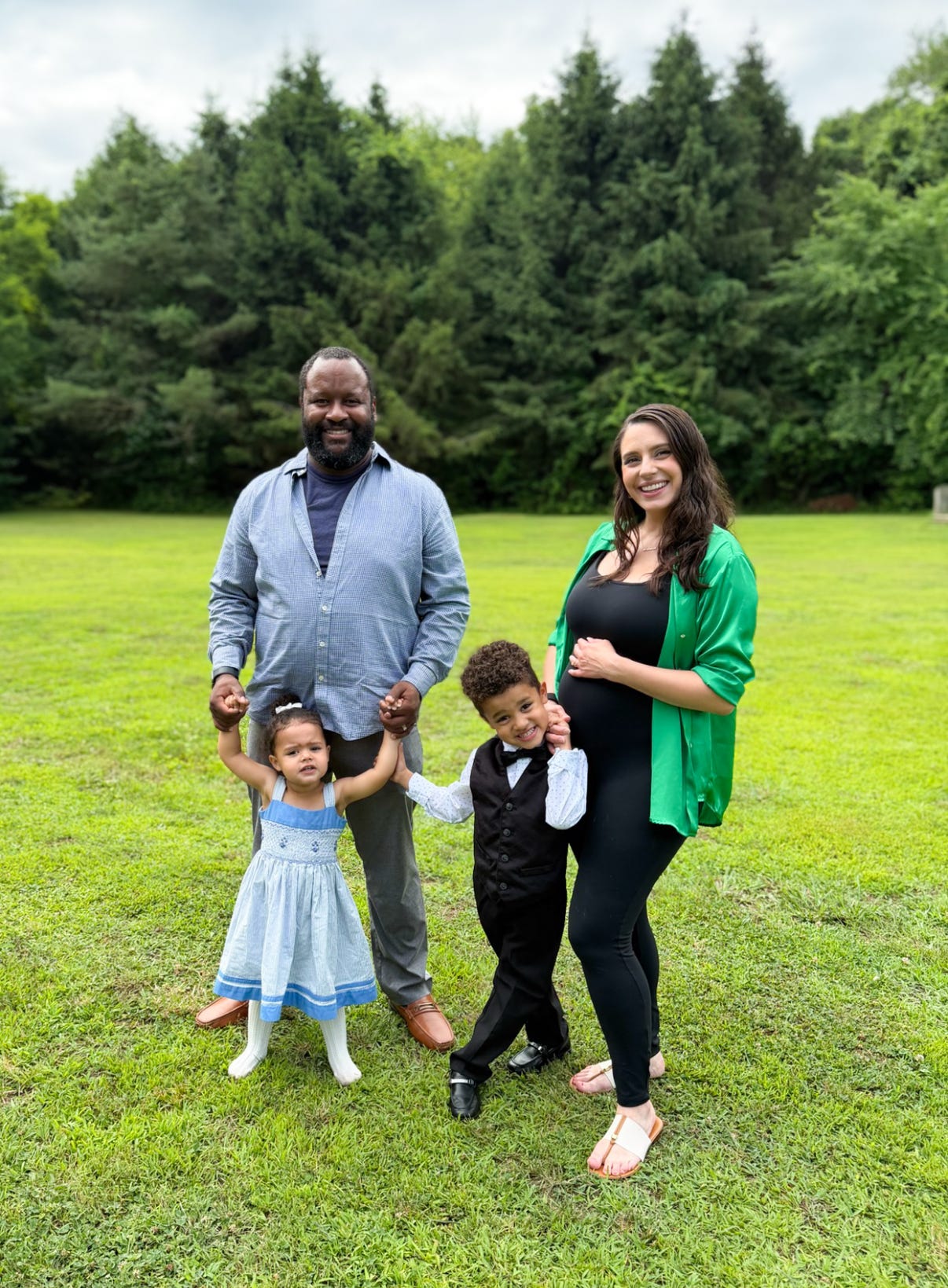
People keep asking me what it’s been like to work at birthFUND while expecting Baby #3. The honest answer? It’s completely changed the way I think about birth.
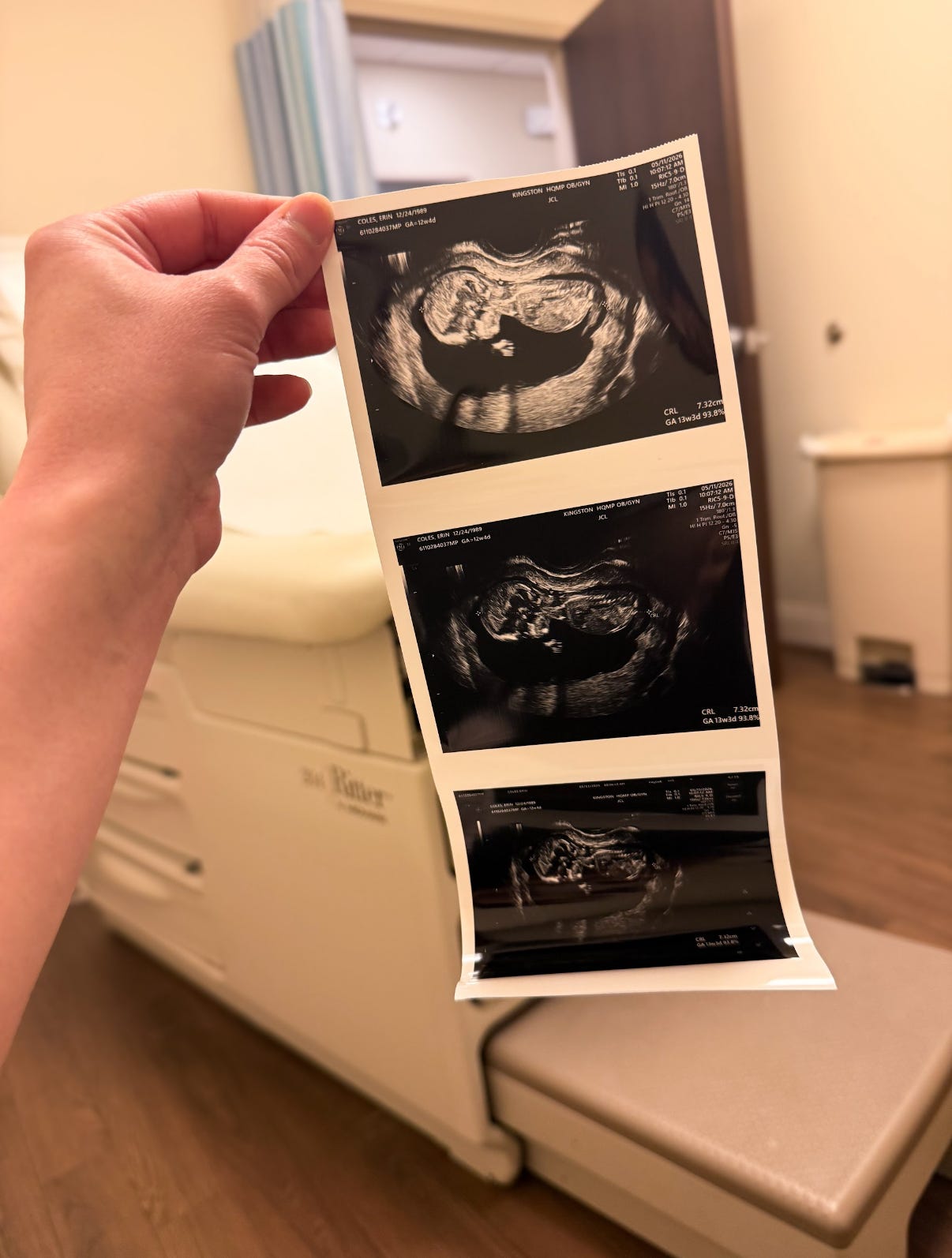
Although I can’t say my first two pregnancies and births were ideal, I had started to accept my experiences as the norm: working until the last minute, limited maternity leave, traumatic birth, c-sections, a difficult recovery. Now, after spending the last two years immersed in this work, I’m reflecting back, and looking forward, with a totally new perspective.
I don’t regret the decisions I made. I made the best decisions I could with the information, resources, and support I had at the time. But I also know now that there were options I didn’t even know existed, and others that simply weren’t accessible to me.
When I got pregnant with my first baby, I was actually pretty set on giving birth at a birth center. It just wasn’t something we could make work — my insurance didn’t cover it, and we were in that frustrating middle where we made too much to qualify for assistance but nowhere near enough to pay for it ourselves. I’ve always wondered how many families find themselves in that exact same position.
On top of that, I’d been diagnosed with an autoimmune disease years earlier, which made me automatically high-risk. That, combined with no financial way to access midwifery or birth center care, meant staying with my OB felt like the right decision. I liked her, and I trusted her — but underneath the surface, I really wasn’t taking care of myself. My husband and I owned a live entertainment business, and I was working 80+ hours a week, barely sleeping, just pushing through. Things like prenatal massage and acupuncture weren’t covered by insurance, so I sucked up the pain instead.
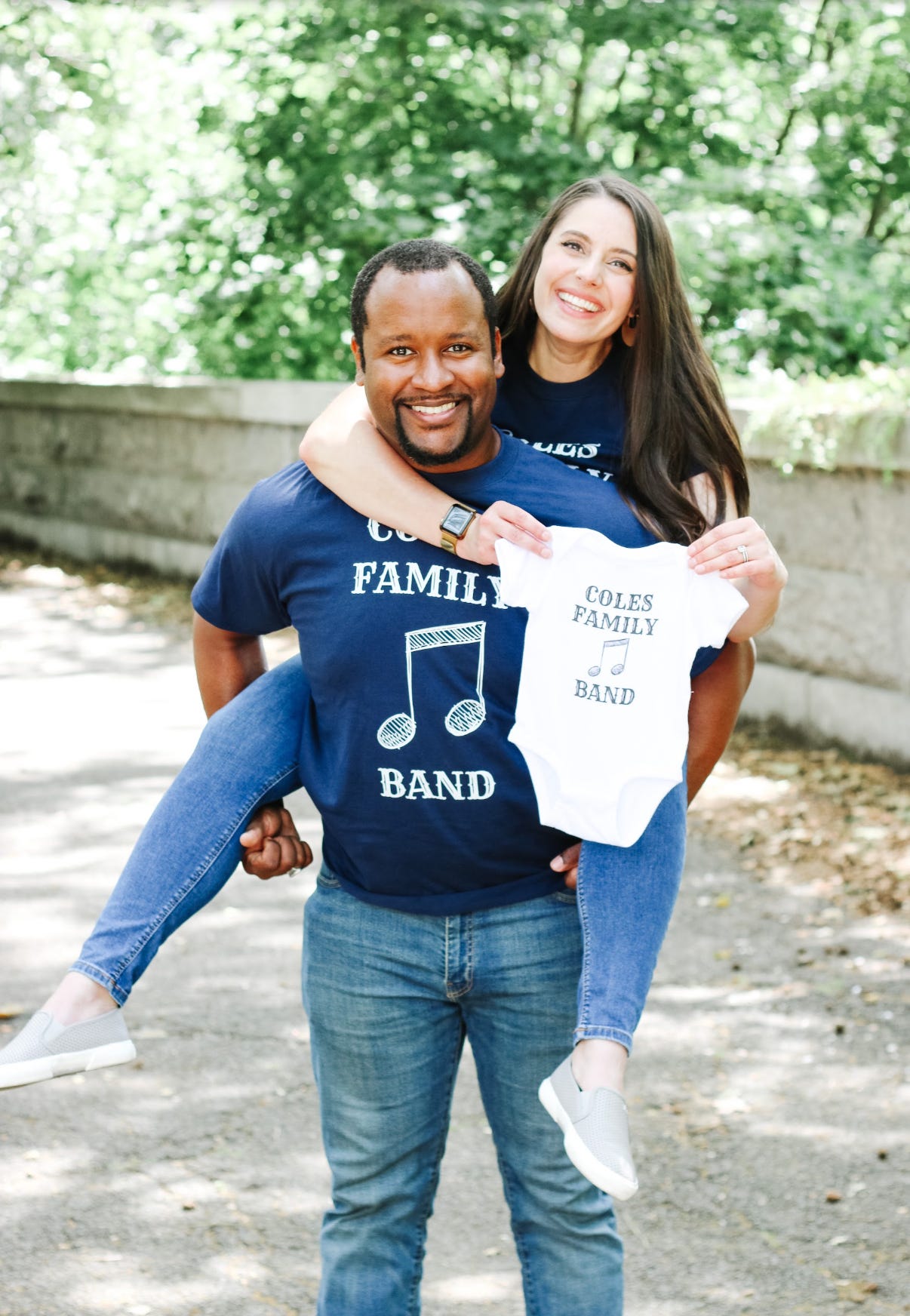
About a month before I gave birth, I had a complex migraine that mimicked a stroke — I lost feeling on one side of my body, couldn’t remember my brother’s name, couldn’t remember who the president was. It was terrifying, and I really think it was my body forcing me to slow down.
I went into labor on Christmas Day. It was calm and peaceful at first — we watched Home Alone, listened to Christmas music. But I labored almost 24 hours, and after my baby’s heart rate raised concerns, we moved forward with a C-section. I still don’t know that I’ve fully processed that experience — not because it was the wrong decision, but because I felt completely disconnected from my own body, both during and after. Then postpartum came, my husband went back to work, I started a new job, and I never really gave myself space to recover.
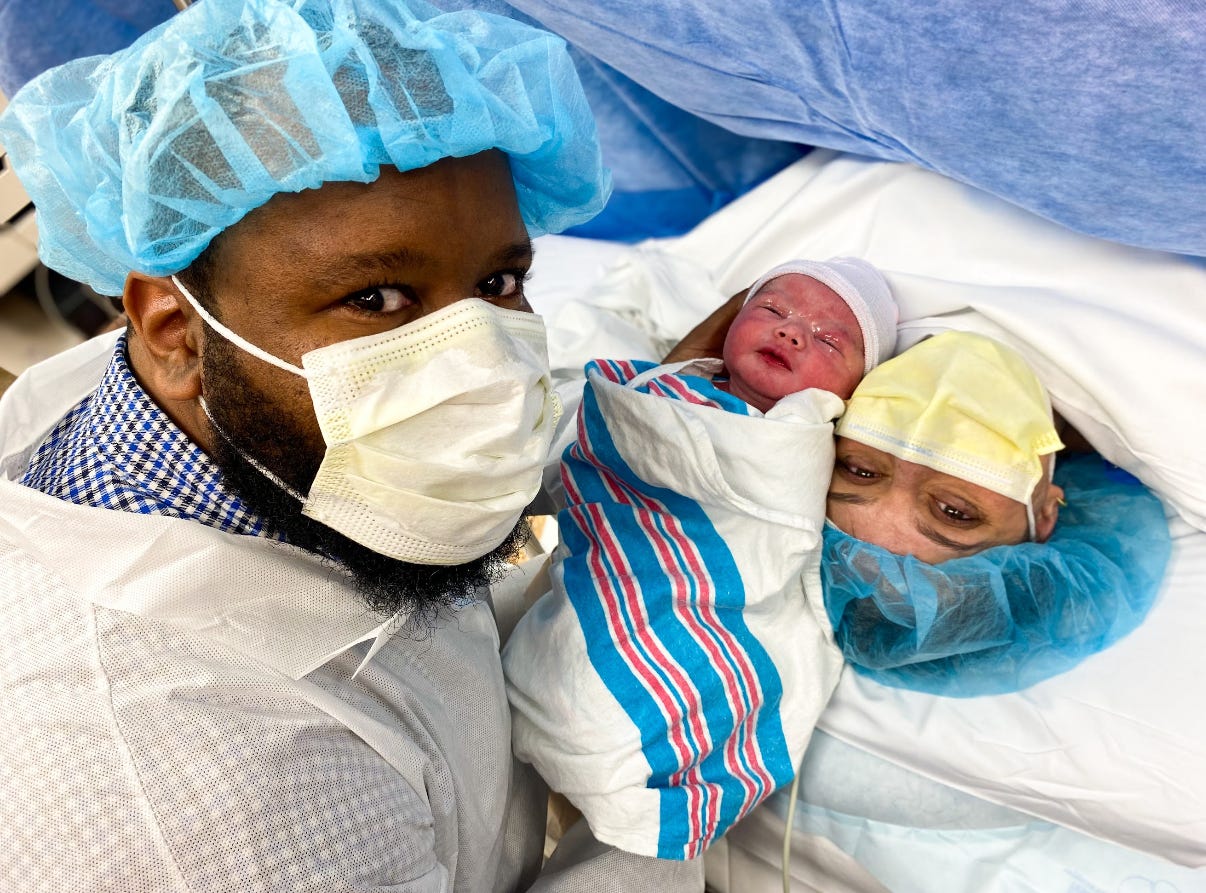
With my second baby, I genuinely intended to do things differently. But COVID had gutted our live entertainment business, and I found myself stepping back in while pregnant. This time I scheduled a repeat C-section — partly because attempting a VBAC felt too risky based on my OB’s advice, and partly because I was emotionally defeated from how exhausting the first birth had been. Recovery from major abdominal surgery while caring for a toddler and newborn, and trying to keep a business alive, was incredibly hard. I only stopped working when I went into labor, and started again after one week.
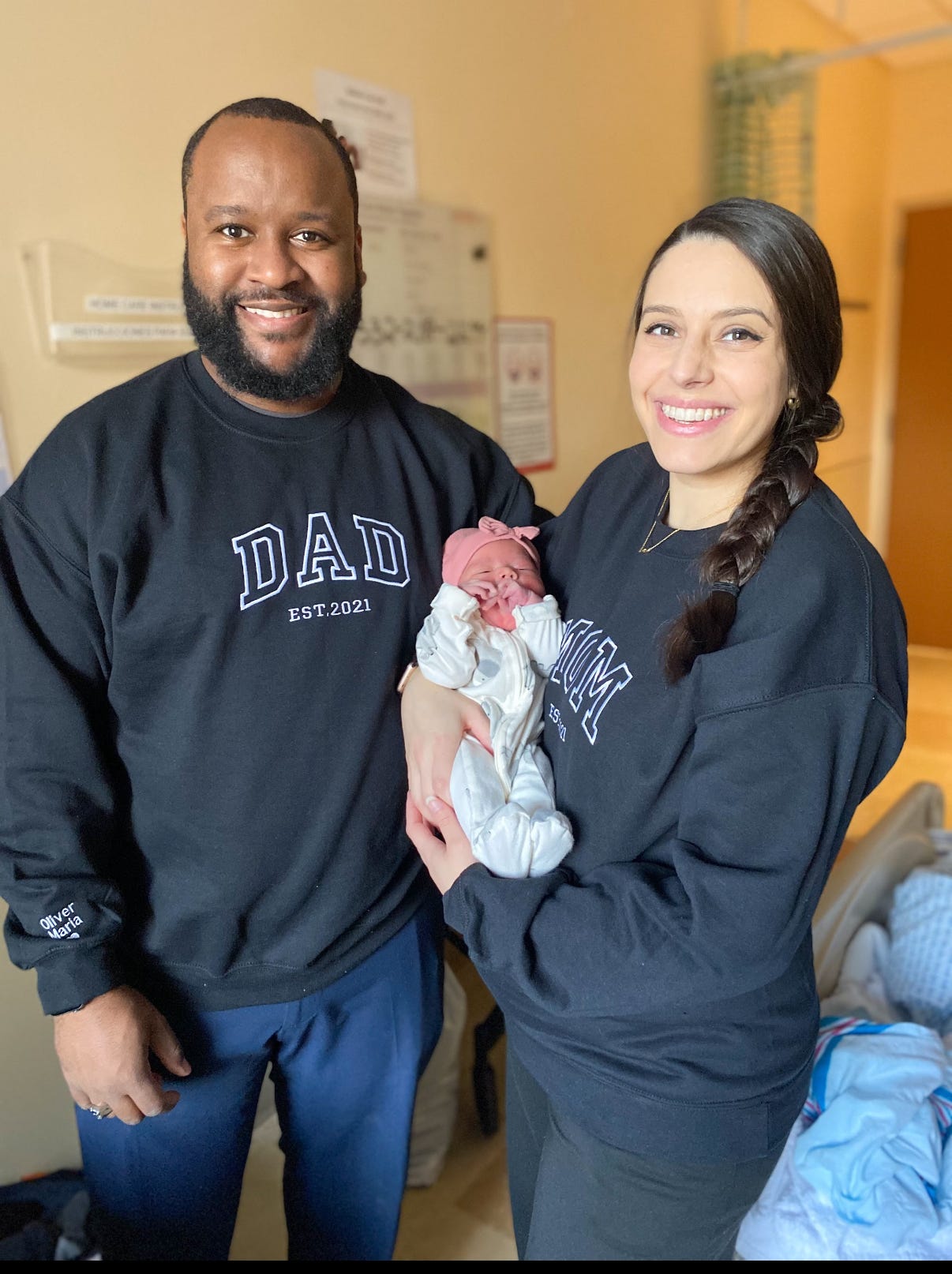
Fast forward to this pregnancy, and so much has changed.
We moved to the Hudson Valley two years ago, the same week I started at birthFUND. I still remember my first conversation with Elaine, our founder. She shared her own birth story — hour-long visits with her midwives that covered not just the pregnancy, but nutrition, breathing techniques, postpartum recovery, family dynamics, what support would look like once the baby arrived. She described how transformative and empowering that experience was. That conversation was just the beginning of hearing story after story like hers from the families we support.
It made me realize how many things I had simply accepted as normal: that birth centers weren’t accessible, that midwives and doulas were a luxury, that self-care during pregnancy was something you did only if you had extra time or money, that postpartum would just be hard because that’s what everyone told me.
This time, with Baby #3, I’m doing things differently.
I’ve built a care team that feels right for me. Because I’ve had two previous C-sections and I’m hoping to attempt a VBAC, I spent a lot of time talking through what that could safely look like. I decided to work with Nicole at Beacon Midwifery Care, and together we found a beautiful birth center in Rhinebeck, NY, attached to a hospital — giving me the chance to labor with midwives while having immediate access to an OB if anything unexpected happens. I’m also working with a doula for the first time, someone who knows my story and can walk alongside me and my partner through it all.
I’m taking better care of myself, too — working with my rheumatologist and a dietitian, getting monthly prenatal massages, still running at 22 weeks. And I’m actually planning for postpartum this time: meals we can freeze ahead, real time off to let my body recover, help from family with my other two kids, some outside support to ease the load.
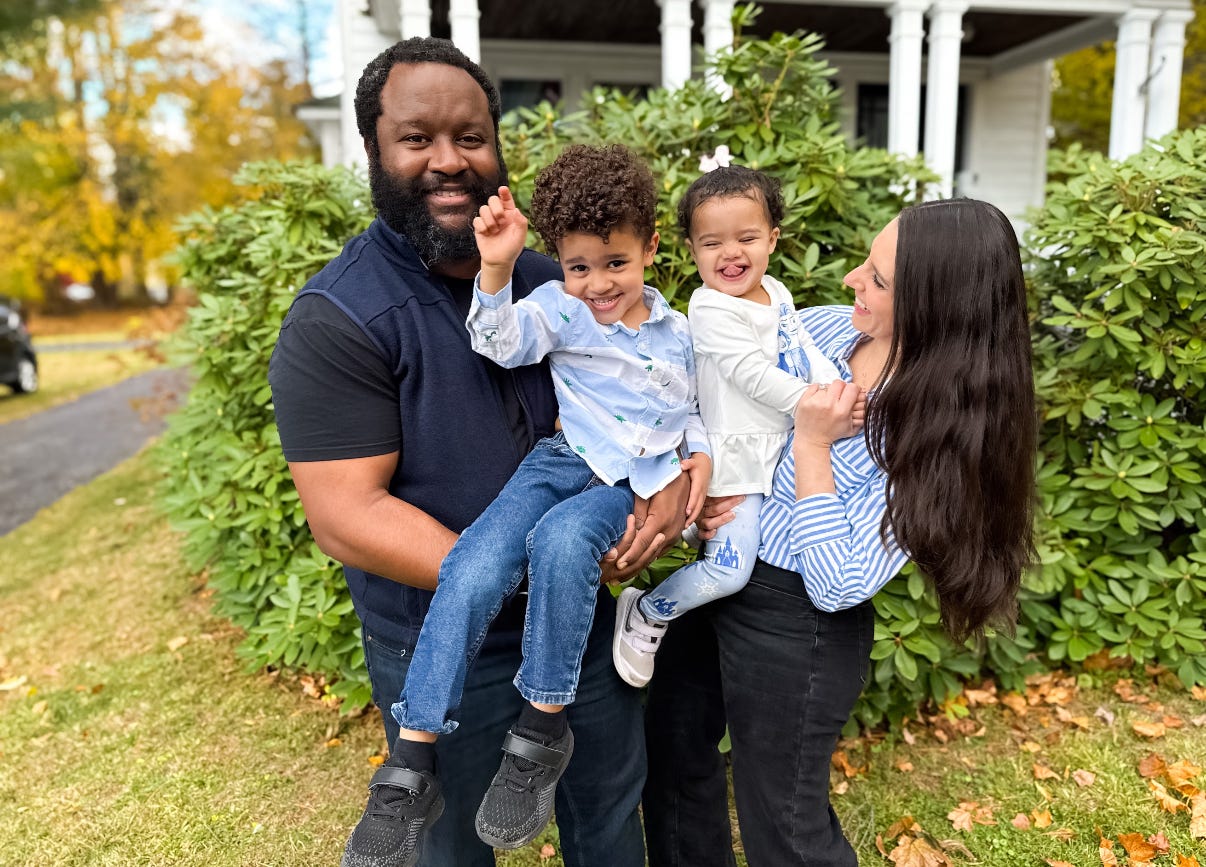
But more than any of the practical things, what’s changed most is my mindset. For a long time, I believed this kind of care was a luxury. I don’t see it that way anymore.
Every family deserves the chance to understand their options. Every family deserves providers who have time to answer their questions. Every family deserves support during pregnancy, birth, and postpartum — not because they’re having complications, but because bringing a baby into the world is one of the biggest transitions a person can go through.
The standard shouldn’t be simply getting through birth alive. It should be wraparound support and care for pregnant people. A care team that truly listens. Access to the things that ease the pressure on the mind and body. Time to actually recover.
What feels different this time isn’t that I think I can control the outcome — it’s that I finally feel like I’m giving myself permission to be supported. I want that for every family. That’s why I care so deeply about making sure more families have the opportunity to do the same.